

Massage and Bodywork in Wauwatosa, WI
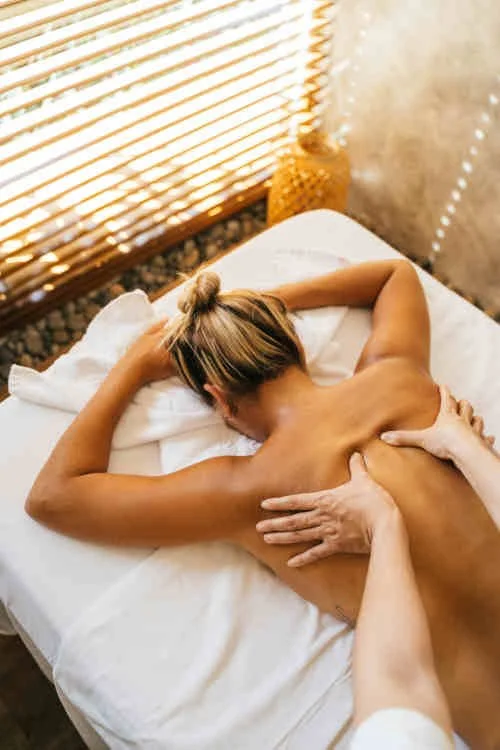
At The Grove Healing Center, massage and bodywork are tailored to your body's needs and goals. Whether you're looking to relieve muscle tension, improve mobility, support athletic recovery, or simply relax, our treatments combine hands-on techniques to help you feel and move better. We offer both therapeutic massage and traditional Chinese bodywork, with each session personalized to you.
What does a treatment consist of?
Each session begins with a conversation about your concerns, activity level, and goals. Your practitioner will recommend an approach based on what you're experiencing and what you hope to achieve. Depending on your needs, treatment may include Swedish or deep tissue massage, assisted stretching, dynamic soft tissue mobilization, cupping, Gua Sha, or Tuina Chinese therapeutic massage. Techniques can be combined within a session to address areas of tension, stiffness, or restricted movement. Pressure and treatment methods are adjusted to your comfort level and preferences.
Pricing:
Swedish Massage: $90 | 60 mins
Deep Tissue Massage: $120 | 60 mins
Chinese Massage - Tuina: $60 | 30 mins
Cupping or Guasha: $60 | 30 mins
Western & Eastern Approaches to Bodywork
We bring together Western therapeutic massage and movement-based techniques with traditional Chinese bodywork to offer a versatile approach to hands-on care.
Western therapeutic approaches include Swedish massage, deep tissue massage, assisted stretching, and dynamic soft tissue mobilization. These techniques can help address muscle tension, mobility restrictions, and the physical demands of everyday life, exercise, and training.
Traditional Chinese bodywork includes Tuina, cupping, and Gua Sha. Rooted in Chinese medical traditions, these techniques use hands-on manipulation, suction, and specialized tools to address areas of tension and stiffness and support relaxation and mobility.
Rather than taking a one-size-fits-all approach, we draw from these different methods to create a session that reflects your individual needs and preferences.
Frequently Asked Questions
1. What's the difference between massage and bodywork?
Massage generally involves hands-on techniques applied to muscles and other soft tissues to promote relaxation, ease tension, and support recovery. Bodywork is a broader term that can include massage, assisted stretching, movement-based techniques, cupping, Gua Sha, and Tuina. At The Grove, sessions may incorporate one or several approaches depending on your goals.
2. What's the difference between Swedish massage and deep tissue massage?
Swedish massage uses flowing strokes and moderate pressure to promote relaxation and ease everyday muscle tension. Deep tissue massage focuses more specifically on areas of persistent tightness using slower, more targeted techniques and firmer pressure when appropriate. Neither approach needs to be uncomfortable to be effective, and pressure is always adjusted to your preferences.
3. What are Tuina, cupping, and Gua Sha?
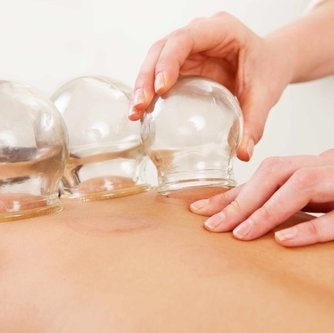
Tuina is a form of traditional Chinese therapeutic massage that uses techniques such as pressing, kneading, and mobilizing muscles and joints. Cupping uses specialized cups to create suction on the skin. Gua Sha uses a smooth-edged tool to apply repeated strokes across the skin and superficial tissues. These techniques can be used individually or incorporated into a broader bodywork session.
4. Can I combine different techniques in one session?
Yes. Depending on your needs, a session may combine massage, assisted stretching, cupping, Gua Sha, or other bodywork techniques. Your practitioner will discuss appropriate options with you and tailor the session to your goals, comfort level, and preferences.
5. Is massage and bodywork helpful for athletes or people with active lifestyles?
Massage and bodywork can complement an active lifestyle by helping address muscle tension, stiffness, and mobility limitations associated with training and everyday activity. Techniques such as deep tissue massage, assisted stretching, and dynamic soft tissue mobilization may be particularly relevant for people who want to maintain comfortable movement and support their recovery routines.
6. How should I prepare for my appointment?
Wear comfortable clothing and arrive ready to discuss any areas of tension, injuries, movement restrictions, or specific concerns you'd like addressed. Let your practitioner know about relevant health conditions, sensitivities, and pressure preferences. You don't need to know which technique you need beforehand; your practitioner can help determine an appropriate approach with you.